
Aquaporin-3 ELISA Kit: A Key Tool for Water Channel Protein Detection
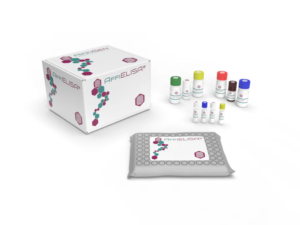
Aquaporins are integral membrane proteins that serve as channels in the transfer of water, small solutes, and gases across cell membranes. Aquaporin-3 (AQP3) is a significant member of this family, primarily found in the kidney, skin, and respiratory tracts, where it plays an essential role in cellular water regulation. The Aquaporin-3 ELISA Kit is a valuable tool for detecting and quantifying AQP3 levels in biological samples, making it a critical asset in various fields of biomedical research.
What is Aquaporin-3?
Aquaporin-3 is crucial for maintaining water homeostasis within cells. It not only facilitates the transport of water but also enables the passage of glycerol and urea, contributing to various physiological processes, including skin hydration, wound healing, and immune responses. Research on Aquaporin-3 is highly relevant in dermatology and nephrology, where it has been linked to conditions such as psoriasis, renal diseases, and cancer.
Importance of AQP3 in Medical Research
Studies have revealed that Aquaporin-3 plays a role in skin hydration, making it a target for research in dermatology. For instance, Harvard Medical School has explored the role of AQP3 in skin barrier function and wound healing. Similarly, The National Institutes of Health (NIH) reports that AQP3 dysfunction can contribute to conditions like dehydration and skin diseases. Additionally, Stanford University’s Dermatology Department has conducted in-depth studies on how Aquaporin-3 influences wound healing processes.
In nephrology, AQP3 is vital for maintaining fluid balance within the kidney. Research from The National Kidney Foundation has shown that abnormalities in AQP3 expression can be linked to various kidney disorders. Moreover, Johns Hopkins Medicine has examined how Aquaporin-3 can affect water reabsorption in the kidney, contributing to more efficient treatment strategies for chronic kidney disease.
Applications of the Aquaporin-3 ELISA Kit
The Aquaporin-3 ELISA Kit is used to measure AQP3 levels in various sample types, including plasma, serum, tissue homogenates, and cell lysates. It is widely employed in research investigating water transport, skin biology, and renal function. Researchers use the kit to study:
- Skin disorders: The role of AQP3 in skin hydration and its therapeutic potential in treating dry skin conditions.
- Renal diseases: AQP3’s involvement in kidney function and its role in water reabsorption.
- Cancer research: AQP3’s potential as a biomarker in tumor growth and metastasis.
Recent studies from The University of California, San Francisco (UCSF) have highlighted the use of AQP3 ELISA kits in evaluating tissue samples from cancer patients. They found that AQP3 expression is significantly higher in some types of cancers, making it a promising diagnostic marker. Additionally, research at The National Cancer Institute (NCI) explores how AQP3 influences cancer cell migration and metastasis.

Working Principle of the Aquaporin-3 ELISA Kit
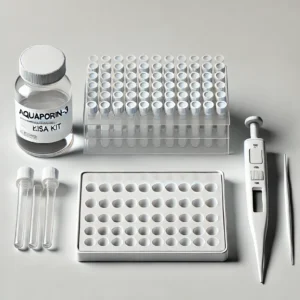
The Aquaporin-3 ELISA Kit is based on the enzyme-linked immunosorbent assay (ELISA) technique, a highly sensitive method for detecting specific antigens in a sample. The kit contains a plate pre-coated with an AQP3-specific antibody, which captures AQP3 in the sample. This is followed by a detection process involving secondary antibodies and enzymatic reactions that produce a measurable color change, quantifying the concentration of Aquaporin-3 in the sample.
The protocol has been refined and validated by multiple research institutes, including The Centers for Disease Control and Prevention (CDC) and The National Institute of Allergy and Infectious Diseases (NIAID), ensuring high sensitivity and specificity in detecting AQP3.
Advantages of Using the Aquaporin-3 ELISA Kit
- High Sensitivity and Specificity: The ELISA kit offers exceptional sensitivity, enabling the detection of minute concentrations of Aquaporin-3 in various biological samples.
- Quantitative Results: Provides quantitative measurement, making it an excellent tool for tracking changes in AQP3 levels during disease progression or treatment.
- Broad Application: Suitable for research in dermatology, nephrology, oncology, and beyond.
Researchers at The University of Pennsylvania and The National Institutes of Health have published studies affirming the utility of AQP3 ELISA kits in generating reproducible and reliable results, contributing significantly to the growing body of knowledge in skin and kidney research.
Conclusion
The Aquaporin-3 ELISA Kit offers researchers an invaluable tool for studying the expression and function of Aquaporin-3, a critical protein in water homeostasis. With its applications spanning dermatology, nephrology, oncology, and beyond, this kit supports groundbreaking research into human health. For further information on the use of ELISA technology in Aquaporin research, visit The National Center for Biotechnology Information (NCBI) and PubMed for an array of scholarly articles and studies.

Notes on Nomenclature
Implementing a Decentralized Quality Control Strategy for Abbott ID NOW™ Influenza Testing in Point-of-Care (POC) Settings
DNA PCR Quantitative Positive Control: The Key to Accurate and Reliable PCR Results
About Author
