
Goat Anti-TUBB Polyclonal IgG Antibody: A Comprehensive Overview
The Goat Anti-TUBB Polyclonal IgG Antibody is an essential tool in molecular and cellular biology, enabling researchers to study the structure and function of β-tubulin, a critical component of the cytoskeleton. With high specificity and sensitivity, this antibody is widely used in immunohistochemistry, Western blotting, and other proteomic techniques to analyze β-tubulin’s role in cellular processes.
What is β-Tubulin?
β-Tubulin is a major component of microtubules, which are involved in cellular structure, intracellular transport, and mitotic spindle formation during cell division. The dynamic polymerization and depolymerization of microtubules are essential for maintaining cellular integrity and enabling critical processes such as intracellular trafficking and signal transduction. Explore detailed microtubule functions at NCBI and NIH.
Key Features of the Goat Anti-TUBB Polyclonal IgG Antibody
- High Specificity
This antibody selectively binds to β-tubulin, ensuring minimal cross-reactivity with other tubulin isoforms. For antibody validation guidelines, visit NIH Rigor and Reproducibility. - Robust Applications
Compatible with diverse techniques, including Western blot, immunofluorescence, and ELISA. Read more about these methods at PubMed Central. - Polyclonal Sensitivity
Polyclonal antibodies provide higher detection sensitivity due to recognition of multiple epitopes. Learn about polyclonal antibody advantages at NIST.
Applications
- Immunohistochemistry (IHC)
The antibody is widely used in IHC to visualize β-tubulin distribution in tissue samples. For IHC protocols, consult the FDA’s Laboratory Resources. - Western Blotting
It is ideal for detecting β-tubulin in cell lysates and purified protein samples. Explore Western blot methods at CDC Laboratory Standards. - Cell Biology Research
Researchers use this antibody to study cytoskeletal dynamics, cell division, and intracellular trafficking. Learn more at the National Human Genome Research Institute (NHGRI). - Cancer Studies
β-Tubulin is a target in cancer research for understanding microtubule-targeting drugs like taxanes. For detailed insights, visit NCI.
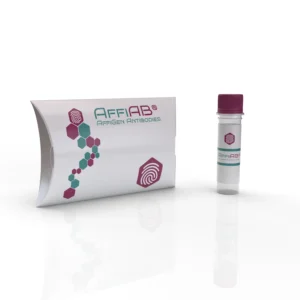
Advantages
- High Affinity and Specificity
Recognizes β-tubulin with minimal background noise, enabling clear and reproducible results. Explore antibody affinity in proteomics at NIH Proteomics Resources. - Validated Across Species
Suitable for use in various species, including human, mouse, and rat samples. For species compatibility, see FDA Antibody Resources. - Cost-Effective
As a polyclonal antibody, it provides high sensitivity at a competitive cost. For funding insights, visit NSF Resources.
Experimental Protocols
- Sample Preparation
Proper fixation and permeabilization are critical for achieving optimal results. Guidelines are available at CDC Biosafety in Microbiological Labs. - Dilution Recommendations
Use at a 1:500 to 1:2000 dilution, depending on the application. Check assay protocols at NIH Assay Development. - Detection Systems
Compatible with chemiluminescent and fluorescent detection systems. Read about detection platforms at PubMed.
Performance Comparisons
The Goat Anti-TUBB Polyclonal IgG Antibody outperforms monoclonal antibodies in applications requiring broader epitope recognition. For comparisons between polyclonal and monoclonal antibodies, visit NIST Antibody Validation.
Role in Research and Diagnostics
- Neurobiology
β-Tubulin is critical in axonal transport and neural development. See NIH Neuroscience Research for more. - Infectious Disease
Used to study cytoskeletal changes during pathogen invasion. Explore microbial interactions at CDC Infectious Disease Resources. - Drug Development
The antibody aids in screening microtubule-targeting agents. Visit FDA Drug Development Tools for insights.
Conclusion
The Goat Anti-TUBB Polyclonal IgG Antibody is an indispensable resource for scientists exploring cytoskeletal dynamics and β-tubulin’s role in cellular processes. Its high specificity, sensitivity, and versatility make it an essential tool in diverse research fields, from neurobiology to cancer therapeutics.
For further reading and resources, consult NIH Research Tools, CDC Laboratory Guidelines, and FDA Scientific Resources.

Optimization of Carbol Fuchsin Kinyoun Staining for Environmental and Clinical Microbiology Samples
Proteinase K (Lyophilized Powder): A Comprehensive Guide to Its Applications and Benefits in Scientific Research
Optimizing Giemsa Stain PR80 for Accurate Cytogenetic Analysis in Cancer Diagnostics
About Author
