
Sheep Plasma K3EDTA (Unfl) — Research-Grade Matrix, Chelation Chemistry, and Pre-Analytical Controls
What is Sheep Plasma K3EDTA (Unfl)?
Sheep plasma K3EDTA (unfiltered) is whole plasma collected from ovine blood into tubes containing tripotassium ethylenediaminetetraacetic acid (K₃EDTA) as anticoagulant, with no post-draw membrane/0.2 µm/0.1 µm filtration step. EDTA acts by chelating Ca²⁺, preventing coagulation cascade activation. For background on plasma vs. serum and fundamental biochemistry, see NCBI Bookshelf primers and reference chapters (NCBI Bookshelf). For chelation chemistry of EDTA, consult NIH PubChem (EDTA on PubChem).
Use cases (research): matrix-matched method development, instrument qualification, spike-recovery experiments, standard-addition curves, and inter-run controls across proteomic, metabolomic, and molecular workflows, following general QA/QC paradigms from EPA and USGS (EPA Quality System, USGS Laboratory Methods).
EDTA Anticoagulant: Chelation, pH, and Ionic Strength
-
Chelation mechanism: EDTA forms strong complexes with Ca²⁺ and Mg²⁺, suppressing clotting and modulating enzymatic activities that require divalent cations. See overview materials and constants on NCBI/Bookshelf and NIH PubChem (Bookshelf, EDTA PubChem).
-
Formulation: K₃EDTA increases ionic strength and can slightly alter sample osmolality and pH. For SI-unit conversions and metrology conventions used in assignment of concentrations, reference NIST PML and SI Units pages (NIST PML, NIST SI Units).
-
Matrix effect caution: EDTA can sequester Mg²⁺, impacting polymerase-dependent reactions and metalloenzyme assays. Method developers often compensate by adjusting Mg²⁺ or using chelator-resistant conditions (general PCR design primers at MIT OCW and UC Davis core guides: MIT OCW Biology, UC Davis Genome Center).
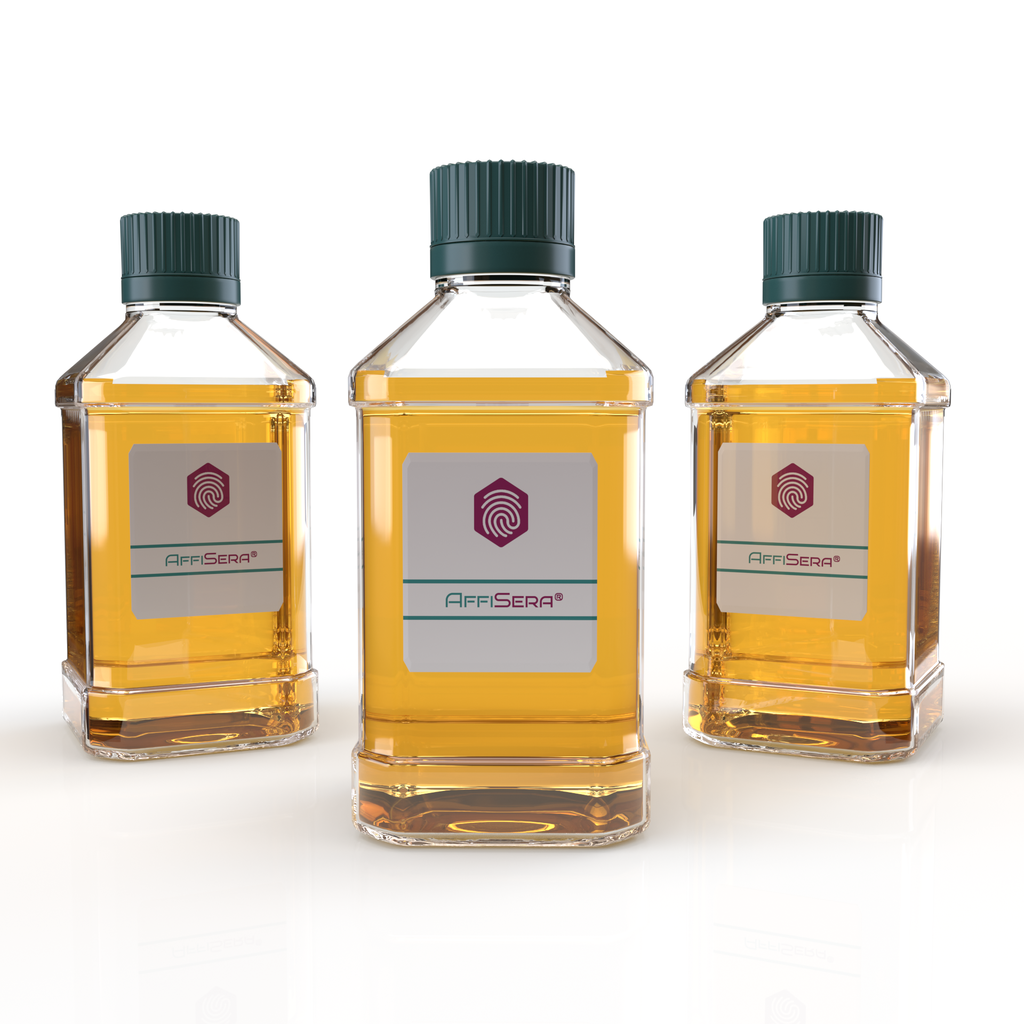
Source Material and Collection (Research Best Practice)
-
Species background: Agricultural and veterinary science resources on ovine biology and handling are maintained by USDA ARS and USDA NAL (USDA ARS, USDA National Agricultural Library).
-
Collection tubes: Use K₃EDTA tubes; invert gently to ensure anticoagulant mixing per training practices often outlined in university lab manuals (Harvard Library Guides, Rutgers Research Guides).
-
Biosafety context: Follow CDC laboratory biosafety principles and physically separate pre- and post-analysis areas (CDC Labs & BMBL).
Note: This article assumes material is acquired under institutional protocols suitable for research and handled according to lab safety and waste regulations.
“Unfiltered” Attributes and Consequences
“Unfl” (unfiltered) material retains native particulates, microvesicles, possible cellular debris, and lipoprotein aggregates. This can be advantageous for realistic matrix effects during method development but may increase variability in optical and chromatographic readouts.
-
Optics: Higher background scatter may shift baselines in spectrophotometry/fluorimetry training scenarios described by multiple .edu lab courses (UCLA Research Guides, University of Washington).
-
Chromatography/MS: Particulate load can foul columns/sources; consider pre-run low-speed clarifications that preserve “unfiltered” character while protecting hardware (general method set-up inspirations at UMass and Oregon State University: UMass, Oregon State University).
-
Proteomics: Endogenous proteases are present; EDTA removes some metal-dependent protease activity but not serine/cysteine proteases. Keep samples cold; add protease inhibitors if compatible with downstream workflows (see general core-facility guidelines at Stanford Biosciences and Cornell: Stanford Biosciences, Cornell University).
Pre-Analytical Variables and Process Control
-
Time to stabilization: Rapid mixing with K₃EDTA immediately after collection reduces microclot formation; invert gently as taught in academic lab SOPs (Caltech Resources, Princeton University).
-
Temperature: Maintain 2–8 °C during handling; avoid excessive cycles at ambient conditions.
-
Aliquoting: Use low-bind plastics and single-use aliquots to limit adsorption and freeze–thaw effects.
-
Traceability: Use lot IDs, storage logs, and instrument IDs within QA/QC frameworks common to EPA and USGS method documentation (EPA QA/QC, USGS Lab Methods).
Storage, Stability, and Freeze–Thaw
-
Short-term: On ice/4 °C for brief handling windows.
-
Mid-term: −20 °C working stocks (minimize freeze–thaw).
-
Long-term: −80 °C archive.
-
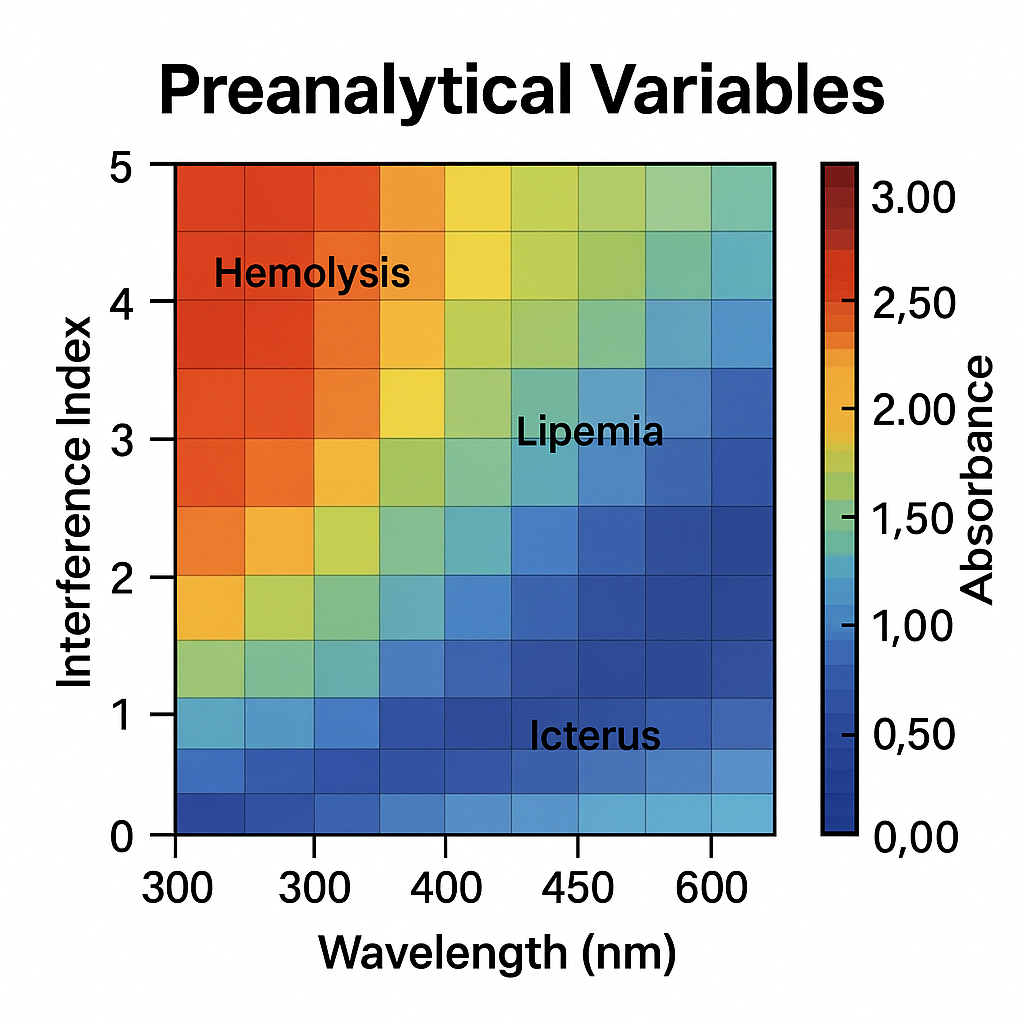
Stability checks: Periodic baseline panels (e.g., total protein, hemoglobin index proxy, optical absorbance profile 200–800 nm) as a research QA aid. For documentation style, mirror NIST metrology practice on tracking and trending (NIST PML).
Matrix Effects by Platform
Spectroscopy / Fluorescence
Unfiltered plasma contains chromophores (heme, bilirubin), lipids, and proteins that alter absorbance and fluorescence quantum yield; compensate with matrix-matched blanks. Training materials at MIT OCW and Harvard provide conceptual bases (MIT OCW, Harvard Guides).
LC-MS(/MS) Metabolomics
EDTA complexes metal ions, potentially altering electrospray response for metal-binding metabolites. Use divalent-aware mobile phases or cleanup protocols. See general LC-MS teaching in .edu sources (UCLA, UMass).
Proteomics
Protein corona and high-abundance proteins (albumin, immunoglobulins) dominate dynamic range; unfiltered state may increase particulate-associated proteome. Depletion, fractionation, or targeted enrichment can be evaluated in method development contexts taught by Cornell and Stanford cores (Cornell, Stanford Biosciences).
ICP-OES / ICP-MS (Trace Elements)
EDTA chelation sequesters metals; analyte availability and nebulization behavior can change. Where elemental analysis is the endpoint, consider non-chelating anticoagulants for comparison. QA concepts and calibration strategies are discussed in EPA and NIST materials (EPA Measurements & Modeling, NIST SRM).
Nucleic Acid Workflows (Research)
EDTA’s Mg²⁺ sequestration suppresses nucleases (benefit), but can reduce polymerase efficiency unless Mg²⁺ is adjusted. See polymerase and primer design primers at UC Davis, MIT, and NCBI Bookshelf (UC Davis Genome Center, MIT OCW Biology, NCBI Bookshelf).
Filtration/Clarification Options While Preserving “Unfl” Character
When hardware needs protection, labs sometimes apply low-g clarifications (e.g., 1,000–2,000 ×g, 10 min, 4 °C) rather than membrane filtration, to keep the overall particulate profile close to “unfiltered.” Choose conditions empirically and document in your run log (QA format ideas from EPA templates: EPA QA/QC).
Spike-Recovery, Linearity, and Standard-Addition (QA/QC)
-
Spike-recovery: Add known standards to sheep plasma K₃EDTA; compute % recovery across concentration levels.
-
Linearity: Evaluate R² and slope across at least 5 levels.
-
Standard addition: Useful when matrix effects are strong and difficult to model.
-
Uncertainty notes: Summarize contributions (pipetting, calibration, drift) following NIST metrology framing (NIST SI Units, NIST PML).
University method-development modules often outline these statistics (see Rutgers, Yale, Princeton: Rutgers, Yale, Princeton).
Inter-Run Calibrators and Trending
-
Maintain a control chart (mean ± 2 SD) of a recurring check (e.g., signal at fixed dilution).
-
Record instrument ID, software version, column ID, and lot numbers.
-
Use trend rules (research adaptation of Shewhart-style criteria) to trigger investigation. General reproducibility and rigor resources are compiled by NIH (NIH Rigor & Reproducibility).
Documentation, Data, and Transparency
-
Metadata: lot, species, anticoagulant (K₃EDTA), nominal protein/lipid indices, handling notes.
-
Raw data: include baseline spectra, chromatograms, Cq tables (if NA workflows), and fit parameters in supplements.
-
Version control: SOP revision history and change logs.
-
Use NCBI/PMC and Bookshelf as hubs to align reporting style with community practices (NCBI PMC, Bookshelf).
Practical Checklist (Copy-Paste)
-
✅ Confirm K₃EDTA labeling; verify unfiltered status in the certificate/pack sheet.
-
✅ Aliquot into low-bind tubes; record freeze–thaw numbers.
-
✅ Establish baseline panel (optical, known marker set) for your instrument.
-
✅ Build spike-recovery and linearity datasets (≥5 levels, duplicates/triplicates).
-
✅ Adjust buffers for Mg²⁺-dependent steps if performing NA workflows.
-
✅ Protect LC/ESI hardware with gentle pre-clarification if needed (document g-force/time).
-
✅ Maintain control charts and trend rules; investigate outliers.
-
✅ Archive raw data and methods; align with NIH transparency practices.
SEO-Friendly Keyword Bank (Research Context)
sheep plasma K3EDTA unfiltered, ovine plasma EDTA matrix, EDTA chelation Ca2+ Mg2+, matrix effects proteomics metabolomics, unfiltered plasma particulate load, method development spike-recovery, LC-MS plasma cleanup, PCR magnesium adjustment EDTA, research plasma storage stability, QA/QC inter-run calibrator, SI-units concentration assignment, NIST traceability research, EPA QA QC laboratory methods
![Mouse Myeloid Differentiation Primary Response Protein MyD88 ELISA [Myd88]: A Comprehensive Research Overview](https://thearkdb.org/wp-content/themes/schema-lite/images/nothumb-related.png)
Mouse Myeloid Differentiation Primary Response Protein MyD88 ELISA [Myd88]: A Comprehensive Research Overview
Proteinase K (Lyophilized Powder): A Comprehensive Guide to Its Applications and Benefits in Scientific Research
Aquaporin-3 ELISA Kit: A Key Tool for Water Channel Protein Detection
About Author
