
Human Chloride Intracellular Channel Protein 4 (CLIC4) ELISA Kit – Technical Overview and Research Applications
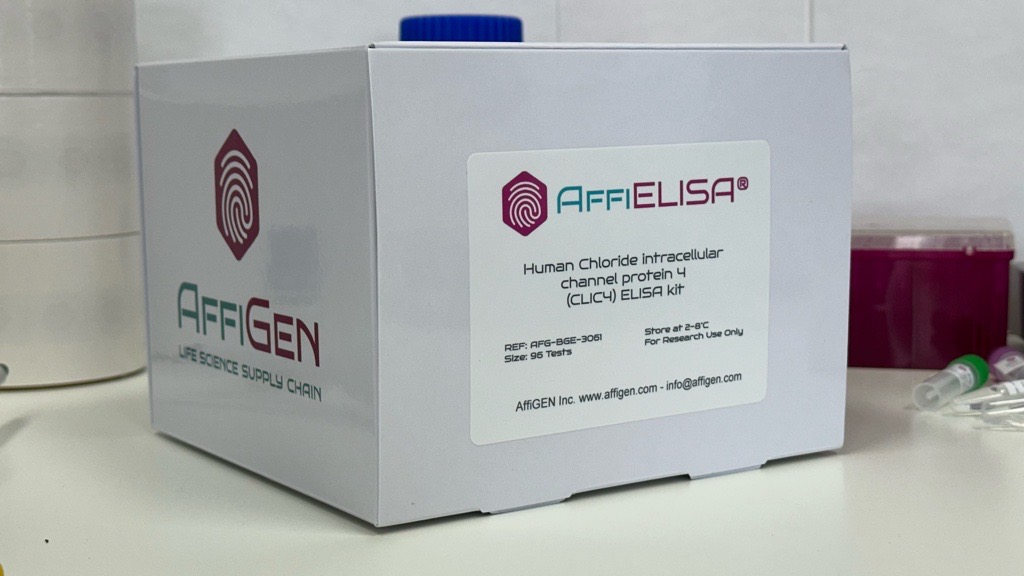
The Human Chloride Intracellular Channel Protein 4 (CLIC4) is a redox-sensitive protein with both enzymatic and ion channel activities. It has been recognized as a key intracellular player in signal transduction, membrane trafficking, cytoskeletal remodeling, and apoptosis. The CLIC4 ELISA Kit is widely employed for quantitative analysis of CLIC4 expression in human serum, plasma, and cell culture supernatants—making it essential for oncology, immunology, cardiovascular research, and neurodegeneration.
Gene & Protein Background
CLIC4 is encoded by the CLIC4 gene on human chromosome 1p36.11. The protein can function both as a soluble cytoplasmic enzyme and as a membrane-bound ion channel. Its insertion into intracellular membranes is tightly regulated by oxidative stress and intracellular pH. CLIC4 contains a GST-like domain, and shares structural homology with other CLIC family members.
For more on gene structure:
Molecular Mechanisms
CLIC4 participates in several cellular processes:
-
TGF-β signaling (via Smad2/3 nuclear translocation)
-
Actin cytoskeleton remodeling
-
Mitochondrial membrane potential regulation
-
Endothelial tubulogenesis
CLIC4 activity is redox-regulated and plays an integral role in NADPH oxidase (NOX)–driven ROS signaling. This links it to redox-sensitive transcriptional regulation, especially in cancer.
Further reading:
Role in Disease
CLIC4 is differentially expressed in multiple pathological contexts:
-
Upregulated in squamous cell carcinoma, glioblastoma, and renal fibrosis
-
Downregulated in some breast and colorectal tumors
-
Involved in inflammatory bowel disease and pulmonary hypertension
Key NIH-supported resources:
CLIC4 as a Biomarker
CLIC4 is emerging as a novel diagnostic and prognostic biomarker:
-
Correlates with fibrotic transformation
-
Tracks with tumor angiogenesis
-
May predict chemotherapy resistance
Standard biomarker validation methods include:
ELISA Kit Specifications
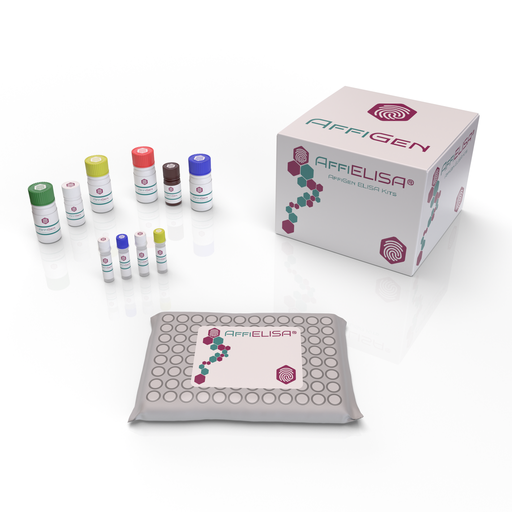
| Parameter | Description |
|---|---|
| Sensitivity | <10 pg/mL |
| Detection Range | 15.6 – 1000 pg/mL |
| Specificity | Human CLIC4 only |
| Precision | CV <10% (intra/inter-assay) |
| Assay Type | Sandwich ELISA |
| Detection Method | HRP-TMB, absorbance @ 450 nm |
| Storage Conditions | 2–8°C, avoid freeze/thaw cycles |
Protocols and technical standards:
Sample Handling
Recommended sample types include:
-
EDTA plasma
-
Serum
-
Whole cell lysates
-
Tissue homogenates
Samples must be centrifuged and stored at -80°C. Guidelines for biobanking:
Applications of the CLIC4 ELISA Kit
This ELISA kit is crucial for:
-
Preclinical drug testing
-
Signal transduction studies
-
Tumor microenvironment modeling
-
Fibrosis and ECM remodeling studies
-
Oxidative stress and cell death pathways
Relevant tools and assay guides:
Cross-reactivity and Controls
This kit exhibits no detectable cross-reactivity with:
-
CLIC1, CLIC2, CLIC5, or CLIC6
-
Human serum albumin (HSA)
-
Non-human primate samples (partially tested)
Validation processes conform to:

Emerging Research Directions
Recent investigations supported by NIH and academic institutions suggest roles for CLIC4 in:
-
Glioma resistance to temozolomide
-
Hypoxia-induced epithelial transition
-
Wound healing and keratinocyte migration
Explore funded projects:
Conclusion
The Human CLIC4 ELISA Kit is a robust, reproducible, and validated tool for high-sensitivity detection of CLIC4. It enables scientists to interrogate mechanisms of inflammation, fibrosis, tumor progression, and cellular stress. Designed to meet the strictest QC benchmarks, it is ideal for use in academic, government, and industry research environments.
Resources for ordering, compliance, and regulatory information:

Goat Anti-HIF1α Polyclonal IgG Antibody: A Key Tool for Hypoxia Research
Universal SYBR qPCR Master Mix with Passive ROX: A Comprehensive Guide
Application of Polyclonal Antibodies in Comparative Immunology: Species-Specific Immune Responses
About Author
